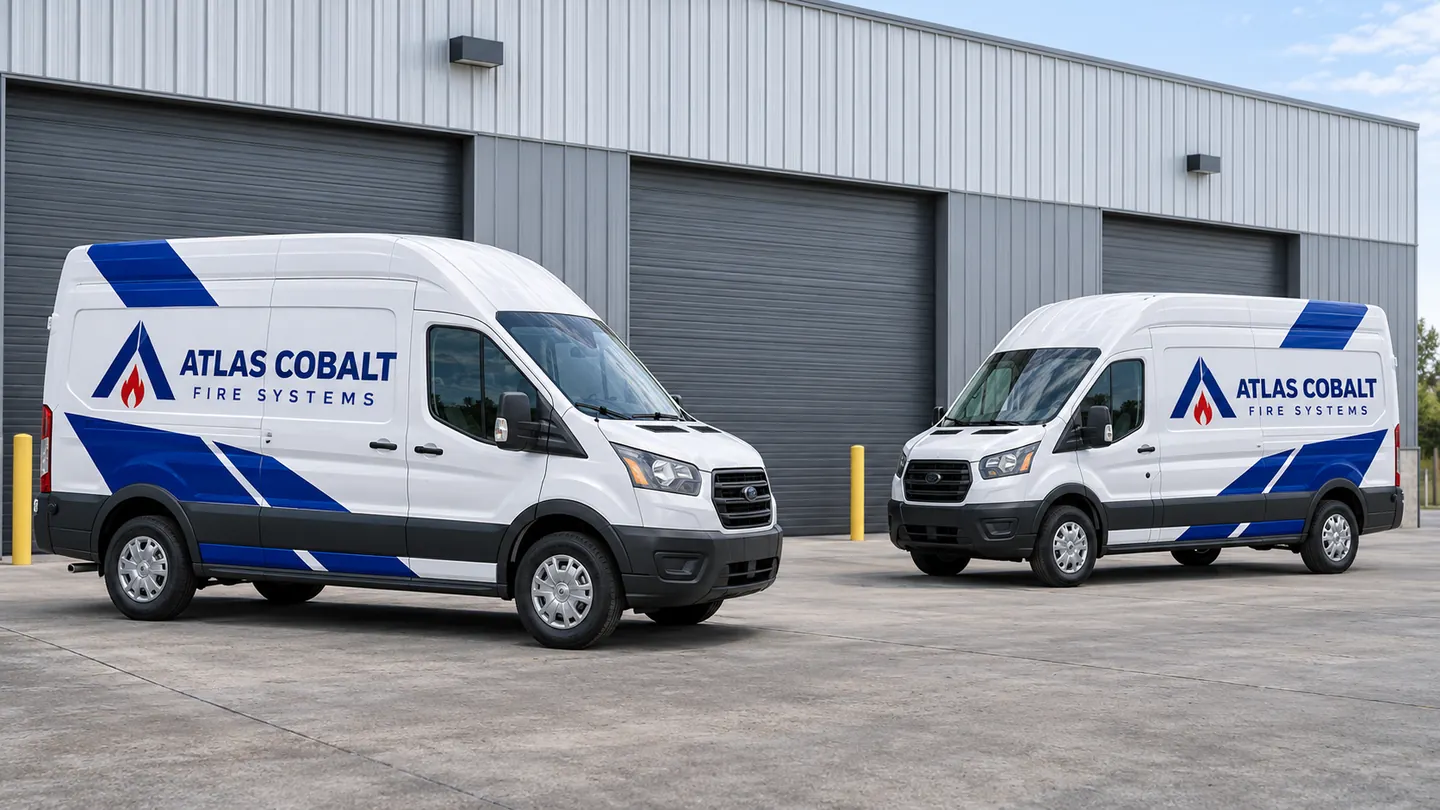
Audit every proposed element
List the logo, company name, services, slogan, contacts, affiliations and other content separately. Assign each one a purpose and owner. Identify duplicates and details that are already explained clearly at the primary destination. Do not remove necessary business identifiers just because they are visually inconvenient; have the responsible operator confirm what is required. Keep that requirement discussion separate from optional marketing copy so the edit does not confuse design preference with an operating obligation.
- Mark each item as essential, supporting or optional.
- Verify any supplied credential or affiliation before presenting it publicly.
Resolve competing contact routes
A website, several phone numbers and multiple social accounts can all be accurate while creating an unclear next step. Choose a priority based on how the business wants to handle inquiries. If branch-specific contact details are necessary, specify the vehicle groups that use them. Check the actual destination and current ownership of accounts. The aim is a dependable contact path, not a promise that one channel will perform better for every fleet.
- Keep the approved destination in a plain wording master.
- Remove retired details from the proposed production release.
Test the edited hierarchy on the actual body
Give the shortened brief to the designer with current photos and a clear list of optional elements. Review the result across the included views, including working doors or equipment where relevant. Ask whether a supporting detail can be handled at the destination instead of being squeezed into the vehicle layout. Record the final decisions and keep them with the proof. Future requests to add another service can then be evaluated against the same priorities rather than restarting the crowding problem.
- Check whether added detail changes the essential message priority.
- Approve revised wording and artwork together after an edit.
Keep a working record
Before you approve the next step
- Proposed content inventoried.
- Purpose assigned to every item.
- Required identifiers reviewed by the operator.
- One contact route given priority.
- Retired content removed from release.
- Edited hierarchy checked on body-specific proofs.
Use the free planning tool to organize the details you can confirm and the questions still open.
Four questions before the next step
What if different departments want different messages?
Ask the business to appoint a final content owner and agree the vehicle purpose. Record department needs, then decide which belong on the vehicle and which belong at the contact destination.
Read the detailed guide: Simplify a crowded commercial wrap brief
Should a slogan take priority over the service description?
That depends on what the audience can understand from the full identity. Compare the proposed wording with the business task and ask the designer to show a clear hierarchy rather than treating every slogan as essential.
Read the detailed guide: Simplify a crowded commercial wrap brief
Must a wrap include every service we offer?
No. Decide what belongs on the vehicle and what is better explained at the contact destination. The brief should make the core service clear without assuming every detail needs equal emphasis.
Read the detailed guide: Choose a useful message hierarchy for a work vehicle
Does a strong hierarchy guarantee more inquiries?
No. It is a communication planning method. Actual inquiries depend on many factors, and this worksheet does not establish exposure, response rate or sales results.
Read the detailed guide: Choose a useful message hierarchy for a work vehicle
Original technical sources
Use the linked publisher's current instructions for the exact product and vehicle. This planning guide does not replace its application, safety or warranty requirements.